How Subway Pricing Works (2026 Explainer)
Written by the Subway Menus USA Team. Reviewed September 1, 2026. How we research →
If you’ve ever noticed a Subway footlong cost different amounts at two locations ten minutes apart, that’s not a glitch — it’s how the pricing model actually works. This explainer breaks down the mechanics behind Subway pricing, using the ranges published on our Menu page as real examples.
Why Prices Aren’t the Same Everywhere
Most Subway restaurants are independently owned franchises, not corporate-operated stores. Each franchise owner sets menu prices based on their own rent, labor costs, and local market — Subway’s corporate office sets brand standards and recommended pricing, but doesn’t dictate the final number on the register. This is why a 6-inch sub can run anywhere from about $5.99 to $11.99 depending on where you order, even though it’s the “same” sandwich.
What Actually Drives the Difference
- Real estate cost. A location in an airport, mall food court, or dense downtown pays far more rent than a suburban strip mall, and that gets reflected in prices.
- Local labor cost. Minimum wage and typical pay rates vary by state and city, which affects what a franchise owner needs to charge to stay profitable.
- Supplier and delivery contracts. Ingredient costs aren’t identical everywhere, especially for locations far from major distribution hubs.
- Local competition. A store competing against three other sandwich shops on the same block prices differently than one with no nearby competitors.
Why Size and Protein Change the Price Curve
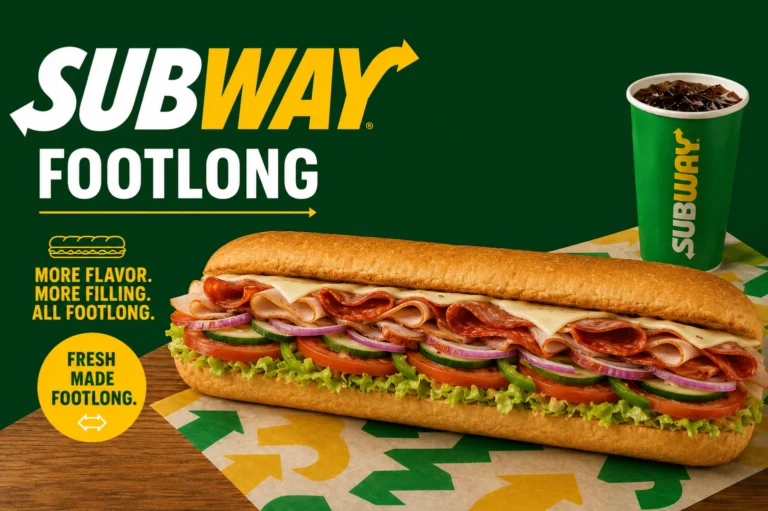
Going from a 6-inch to a footlong roughly doubles the bread, meat, and toppings — but it usually costs less than double the price, because prep labor and packaging don’t scale the same way ingredient cost does. That’s why footlongs ($9.99–$17.99) generally represent better value per inch than 6-inch subs ($5.99–$11.99).
Protein tier matters even more than size. Classic proteins like ham, turkey, and Cold Cut Combo sit at the bottom of the price range because they’re lower-cost ingredients with stable, predictable supply. Premium proteins like steak, rotisserie chicken, and brisket cost the franchise more per pound, and that gets passed through directly — it’s the single biggest lever on your final price, bigger than bread choice, cheese, or most toppings.
Why Combo Meals Are Priced the Way They Are
A combo bundles a sandwich, a side, and a drink for less than the three items would cost separately — usually $1–$3 less. This works because a fountain drink has a very low ingredient cost relative to its menu price, so bundling it in “for less” still leaves margin on the combo as a whole. It’s a standard fast-food pricing tactic, not unique to Subway, and it’s worth taking advantage of only if you’d actually order all three items anyway. We break down the full math with real numbers in our Cheapest Subway Meals guide.
Why Catering Prices Say “Varies”
Catering orders scale with headcount, so a flat price doesn’t make sense the way it does for a single sandwich. A Sandwich Platter running $45–$65 might serve 8 people or 10 depending on how it’s portioned, which is why cost-per-person is a more useful number than the sticker price — something we cover in more detail in the catering section of our value guide.
Why We Show Ranges Instead of Exact Prices
Because pricing is set at the franchise level, no third-party site — including this one — can guarantee the exact price you’ll pay at your specific location. We publish realistic ranges based on typical pricing patterns across many locations, but the only way to get an exact number is to check your local restaurant’s menu directly, in the app, or in-store.
Frequently Asked Questions
Does Subway have one fixed national price list?
No. Prices are set by individual franchise owners within brand guidelines, which is why the same sandwich can cost different amounts at different locations, even in the same city.
Why is a footlong not exactly double the price of a 6-inch?
Labor and packaging costs don’t scale directly with sandwich size, so the footlong is usually priced at less than double the 6-inch price — making it the better value per inch in most cases.
Why do premium proteins cost more?
Ingredients like steak and rotisserie chicken cost the restaurant more per pound than classic proteins like ham or turkey, and that added ingredient cost is passed on directly in the menu price.
Conclusion
Subway pricing isn’t random — it follows a fairly predictable logic once you know it’s franchise-driven: local costs set the baseline, protein tier and size adjust it, and combos and catering follow their own bundling math. Understanding that logic won’t tell you the exact price at your specific store, but it explains why the number on the register is rarely identical to what you saw somewhere else. For the actual cheapest ways to order within that system, see our Cheapest Subway Meals guide.